

In Türkiye, women are starting new companies at a growing rate, yet their overall presence in the workforce is still less than half that of men. That gap says a lot. It shows there’s real business potential sitting untapped, just waiting for the right support and partnerships to bring it forward.
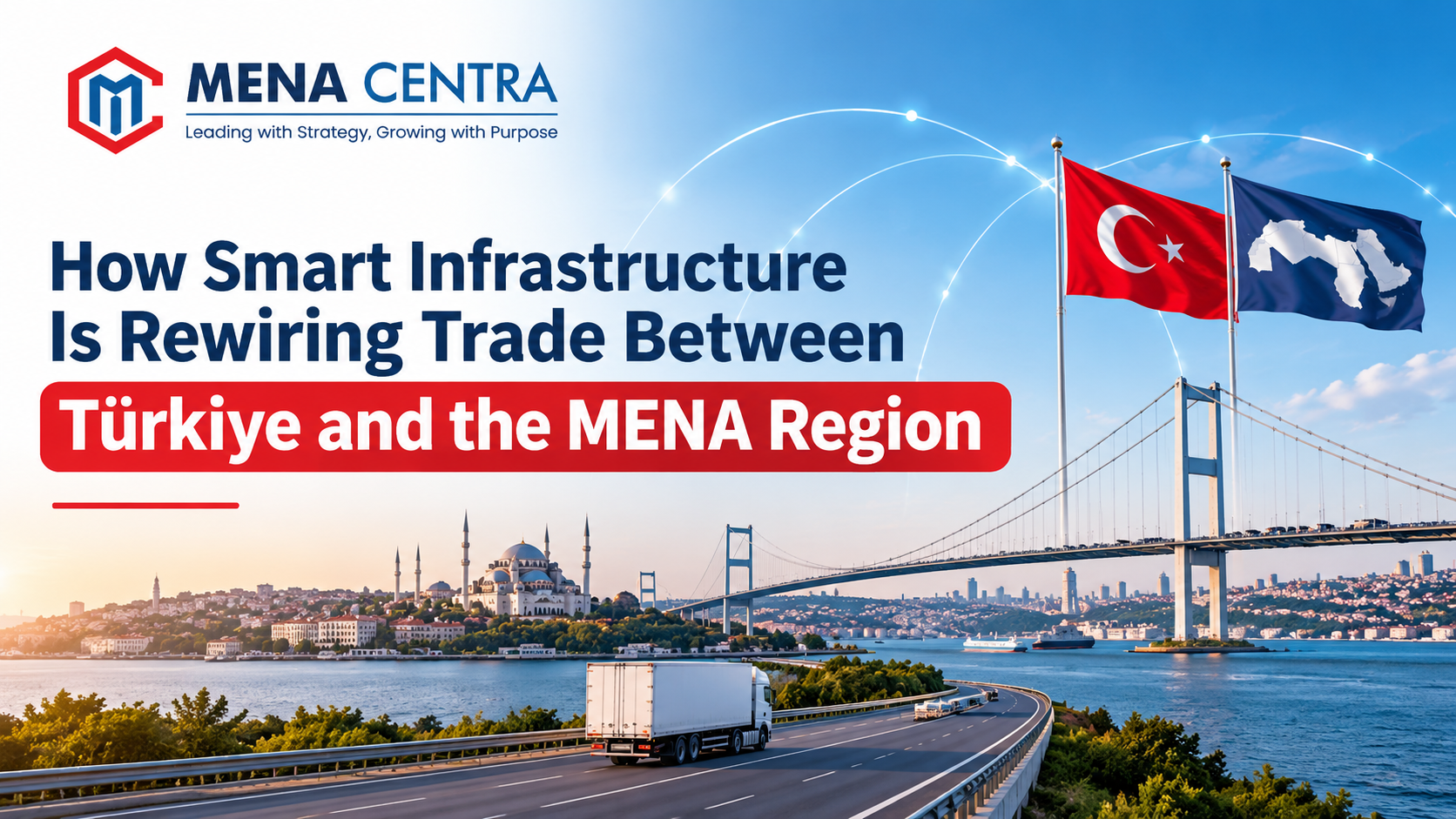
A procurement manager in Riyadh has two quotes open on her screen. Same product, nearly the same price, both from Turkish suppliers. The first comes with a PDF and a promise. The second comes with a link. She clicks it and sees where her order sits in production, which vessel it will board, which power source runs the factory, and when the customs paperwork is expected to clear. She signs the second quote before lunch.
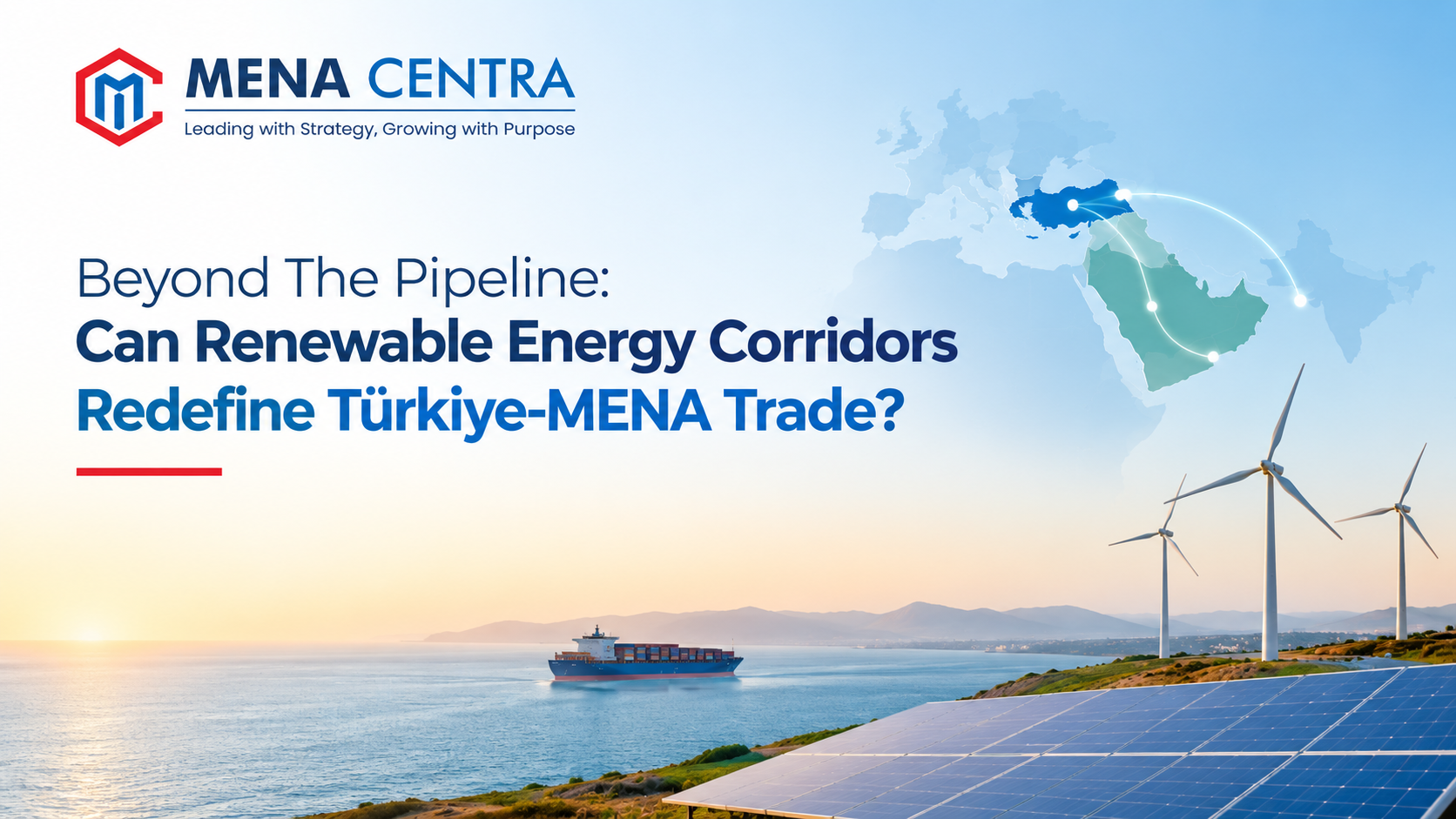
Saudi Arabia and Egypt are building a 3 GW electricity link. This is proof that cables can now shape trade as much as ships do. With the change in energy systems, it's obvious to rethink the conventional pipelines. Renewable energy corridors are networks, not just another single project. In this blog, we will look at their trade role between Türkiye, the GCC and the wider MENA.
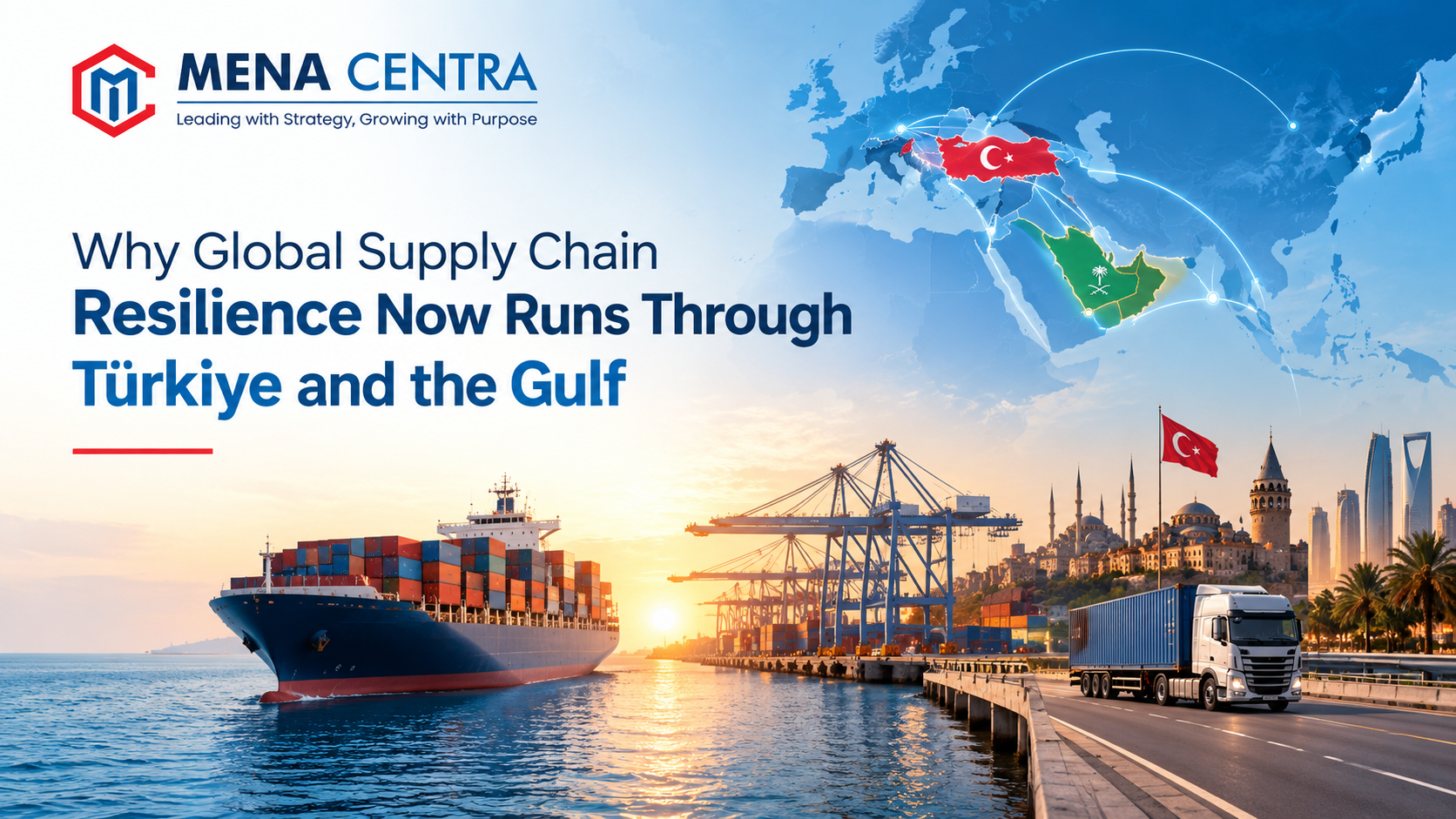
A truck loaded with auto parts leaves a factory in Bursa, Turkey, bound for a buyer in Dubai. The plan is simple: get it to a buyer in Dubai within the week. Instead, the shipment gets stuck behind a port backlog, the buyer’s assembly line sits idle, and nobody can give a straight answer about when things will move. Now picture that happening thousands of times over. That’s more or less what the last few years looked like for trade.
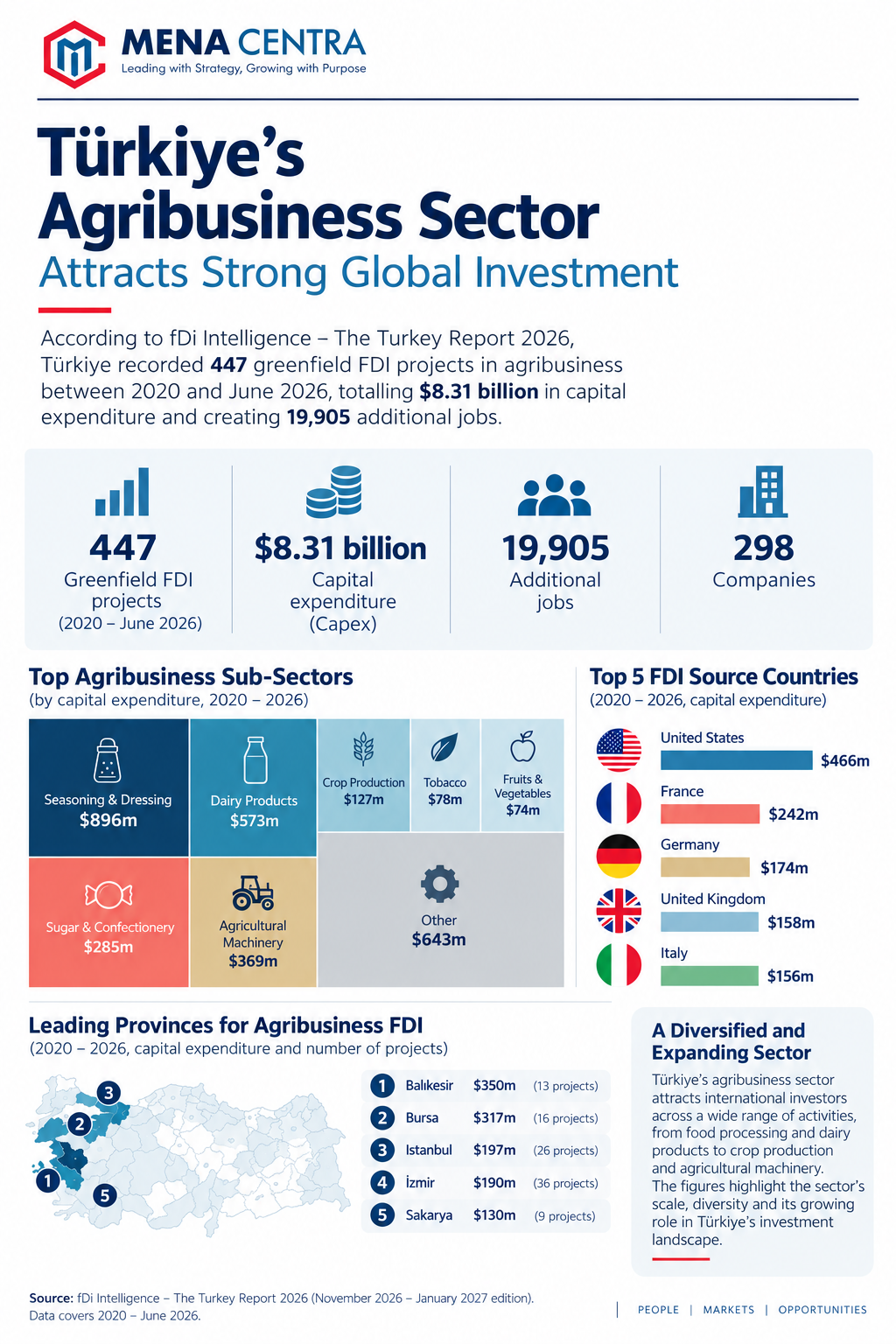
An analysis of fDi Intelligence’s The Turkey Report 2026, highlighting investment trends, leading industries, international investors, and emerging opportunities in Türkiye’s agricultural economy.
A Gulf-based founder lands in Istanbul on a Monday morning with a shortlist of three sectors and one nagging question. Is this the year to commit? Ask ten investors, and you will hear ten answers, but one pattern is hard to miss. More foreign capital is arriving with a plan instead of mere curiosity. The investment opportunities in Türkiye that matter in 2026 have less to do with headline deals and more to do with where geography, talent and trade ties quietly line up.
Why does Turkiye matter so much to regional energy corridors? The short answer is access. Gas from the Caspian, oil from the Caucasus and supply from the Middle East all find their most practical path to European buyers through Anatolia. Few other routes offer the same reach, with the Black Sea and the Mediterranean on either side. But the real story has moved beyond fuel.
Data shows where growth is likely to happen. It cannot show you how to earn and ensure credibility once you arrive there. In the MENA region, this element matters substantially. Here, economic priorities, politics, social norms and institutional culture all shape decisions at the same time.
A Turkish manufacturer ships a container of machinery to Dammam right on schedule. The port clears it, the buyer signs for it, the forklift does its thing. Then the money goes quiet. Nine days later it is still floating between two correspondent banks, one of which has asked for an invoice format nobody uses.
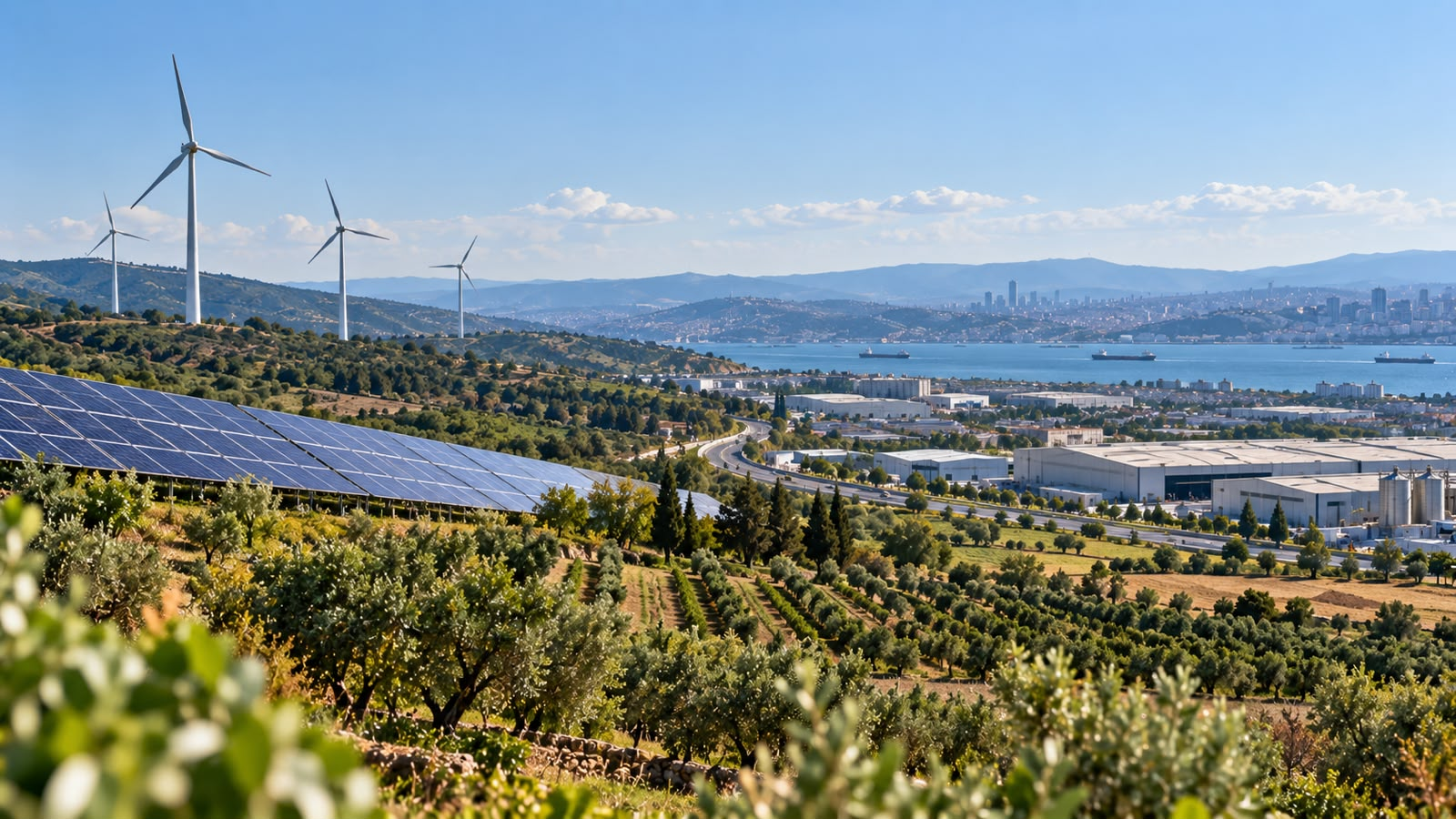
For years, sustainability has been at the center of the global economic conversation. Governments and businesses have been encouraged to reduce emissions, consume fewer resources, improve efficiency, and limit environmental damage. These objectives remain essential. But a new question is increasingly emerging: What if the economy could do more than reduce the damage it creates? What if economic activity could actively restore, renew, and strengthen the systems on which it depends?