21 October 2026 Admin
A Gulf-based founder lands in Istanbul on a Monday morning with a shortlist of three sectors and one nagging question. Is this the year to commit? Ask ten investors, and you will hear ten answers, but one pattern is hard to miss. More foreign capital is arriving with a plan instead of mere curiosity. The investment opportunities in Türkiye that matter in 2026 have less to do with headline deals and more to do with where geography, talent and trade ties quietly line up.
Start with the map. Türkiye sits where Europe, the Gulf, the Caucasus and North Africa meet, so a manufacturer here can serve all of them without rebuilding a supply chain from scratch. With a domestic market of around 85 million people, a young workforce and a long-standing customs union with the European Union, Türkiye offers compelling advantages for foreign investors. The appeal goes beyond growth potential. It lies in the opportunity to access a large consumer base, a skilled labour pool and established trade networks.
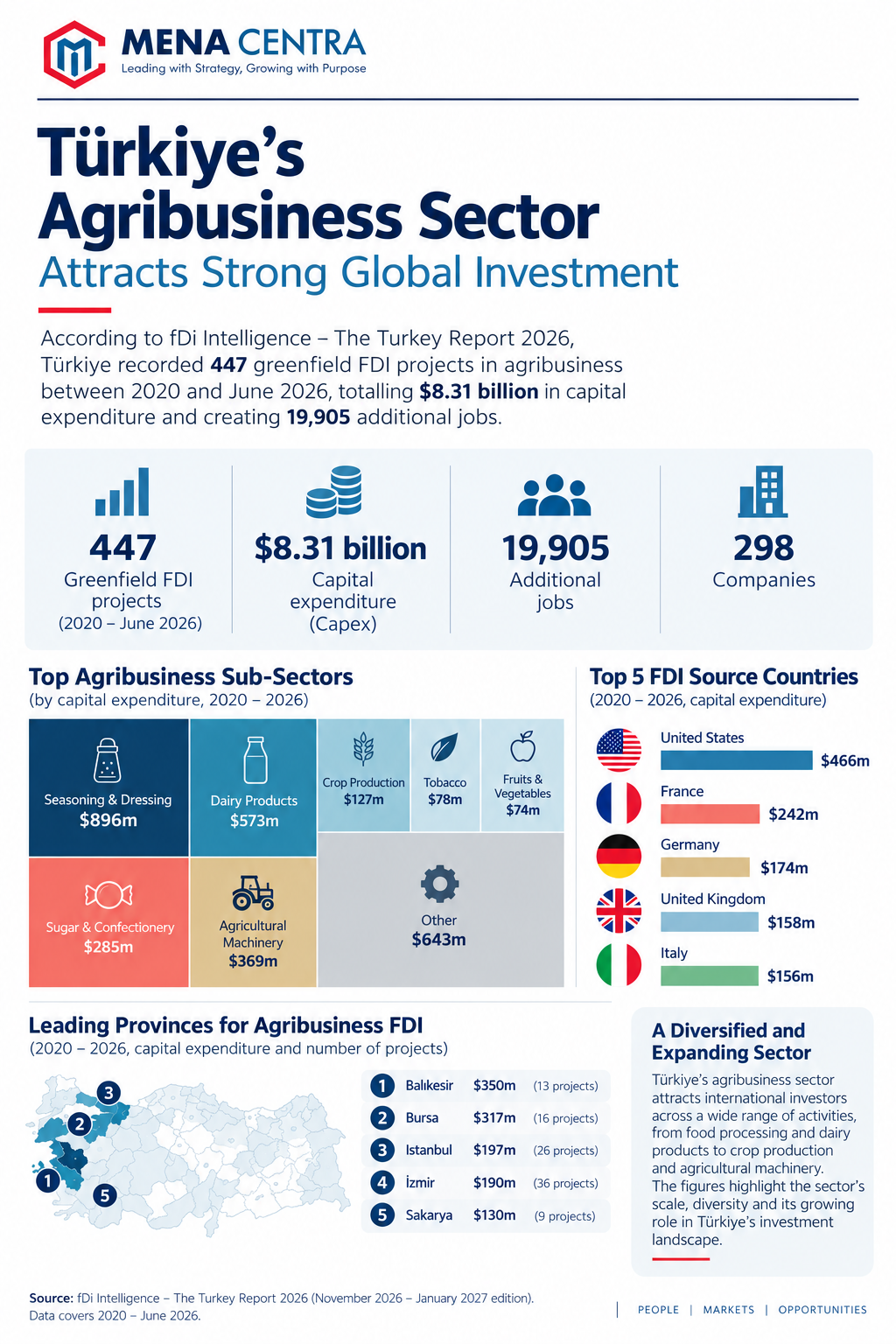
Manufacturing is the quiet heavyweight. Companies rethinking their sourcing after years of disruption are treating Türkiye as a nearshoring base for both European and MENA customers. Automotive parts, textiles, machinery and home appliances already have deep supplier networks, which means a new entrant rarely starts from zero.
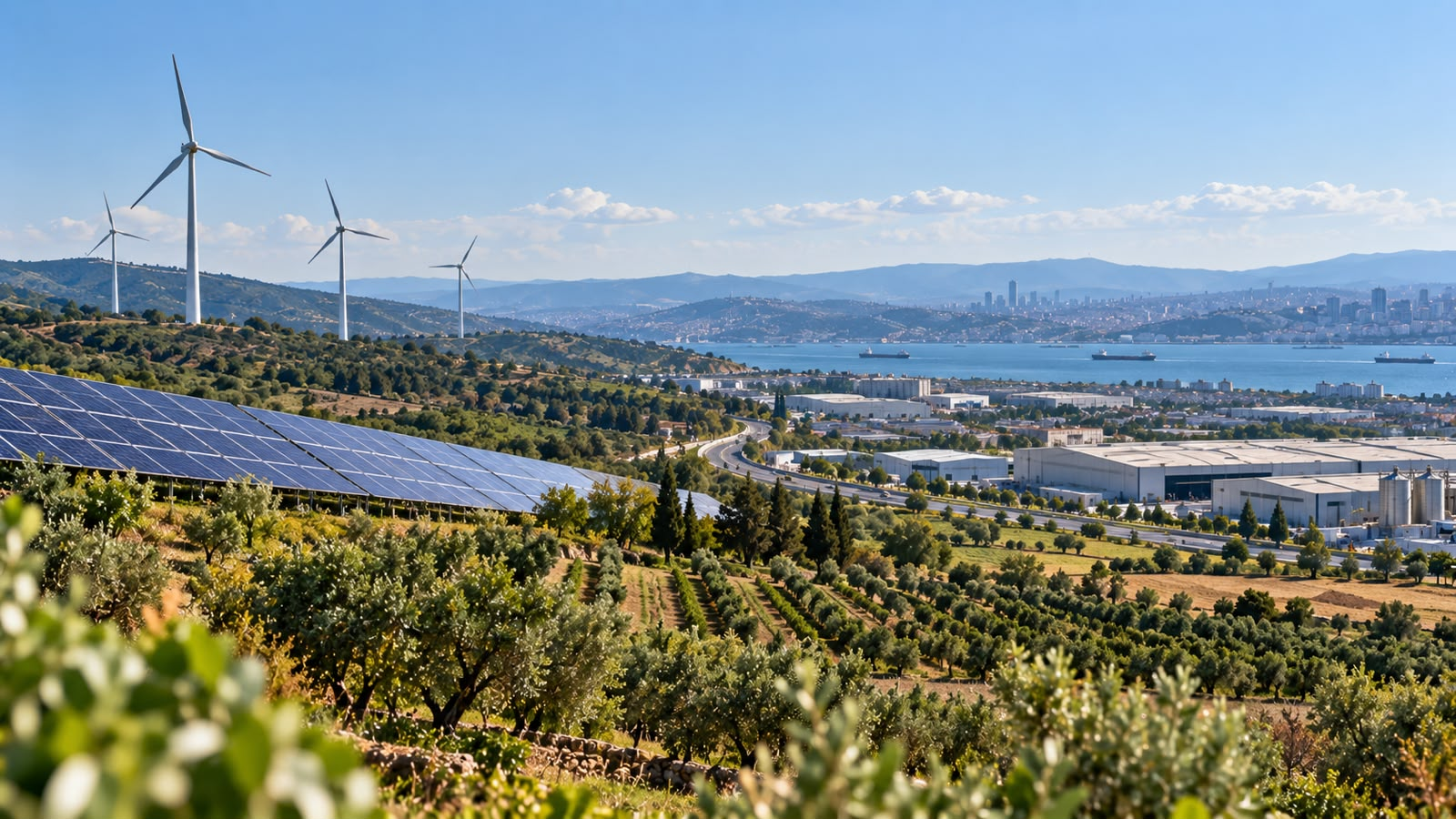
Energy is the second big draw. Solar and wind capacity keeps growing, and the national push to cut dependence on imported fuel gives private and foreign capital a clear role. Gulf investors, who already know renewables well, tend to read these projects faster than most.
Real estate and tourism still attract international buyers and hospitality operators, especially in Istanbul, Antalya and along the Aegean coast. Returns vary significantly by location and property type, making thorough local research far more valuable than relying on promotional claims.
Then there is technology and logistics. Türkiye has produced notable gaming and fintech companies, and its ports, airports, and road links make it a natural hub for e-commerce and shipping. Investors who treat trade corridors as infrastructure rather than just routes often spot these openings early.
Here is the part many first-time investors underestimate. Capital alone rarely opens doors in a new market. Relationships do. International business partnerships give a foreign investor something money cannot buy quickly: a local counterpart who knows how permits move, which suppliers deliver, and how a negotiation is really conducted.
That logic is especially strong inside the region. Türkiye–MENA business partnerships connect Turkish manufacturing and engineering strength with Gulf and North African capital, demand and project pipelines. A Turkish producer gains a route into fast-growing markets. A MENA investor gains a production base close to Europe. Each side fills a gap the other has, and that is why these deals tend to last longer than purely financial ones.
Investor confidence is important, but preparation matters more. Currency fluctuations can significantly affect returns, so it is wise to assess multiple scenarios rather than rely on a single optimistic projection. Check which sector incentives apply to your project, because support varies by region and industry. Bring in local legal counsel early, not after the term sheet is drafted. And consider a staged entry, perhaps a pilot facility or a joint venture, before committing the full amount.
None of this is meant to slow you down. The investors who do best here usually move steadily and ask uncomfortable questions on day one.
Türkiye is not a gamble for those who treat it as a corridor and not a single market. The opportunities are real, the sectors are clear, and the right partner shortens the learning curve dramatically. If you are weighing a move, the question is no longer whether to look at Türkiye. It is how to enter with the right structure and the right people beside you.
Ready to turn interest into a plan? Mena Centra helps investors structure and execute opportunities across the Türkiye–MENA corridor, from market entry to partner matching. Start the conversation today.