26 August 2026 Admin
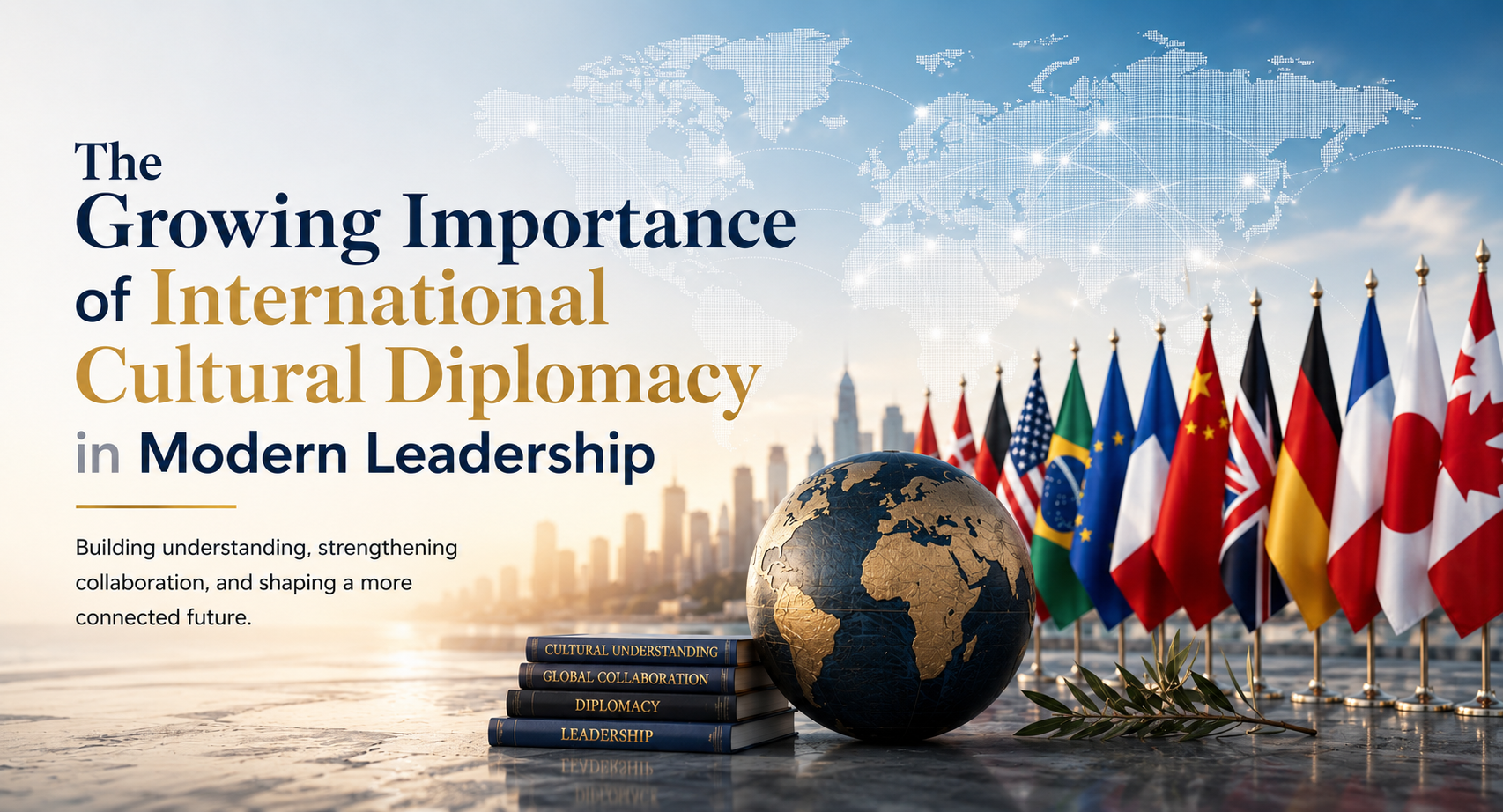
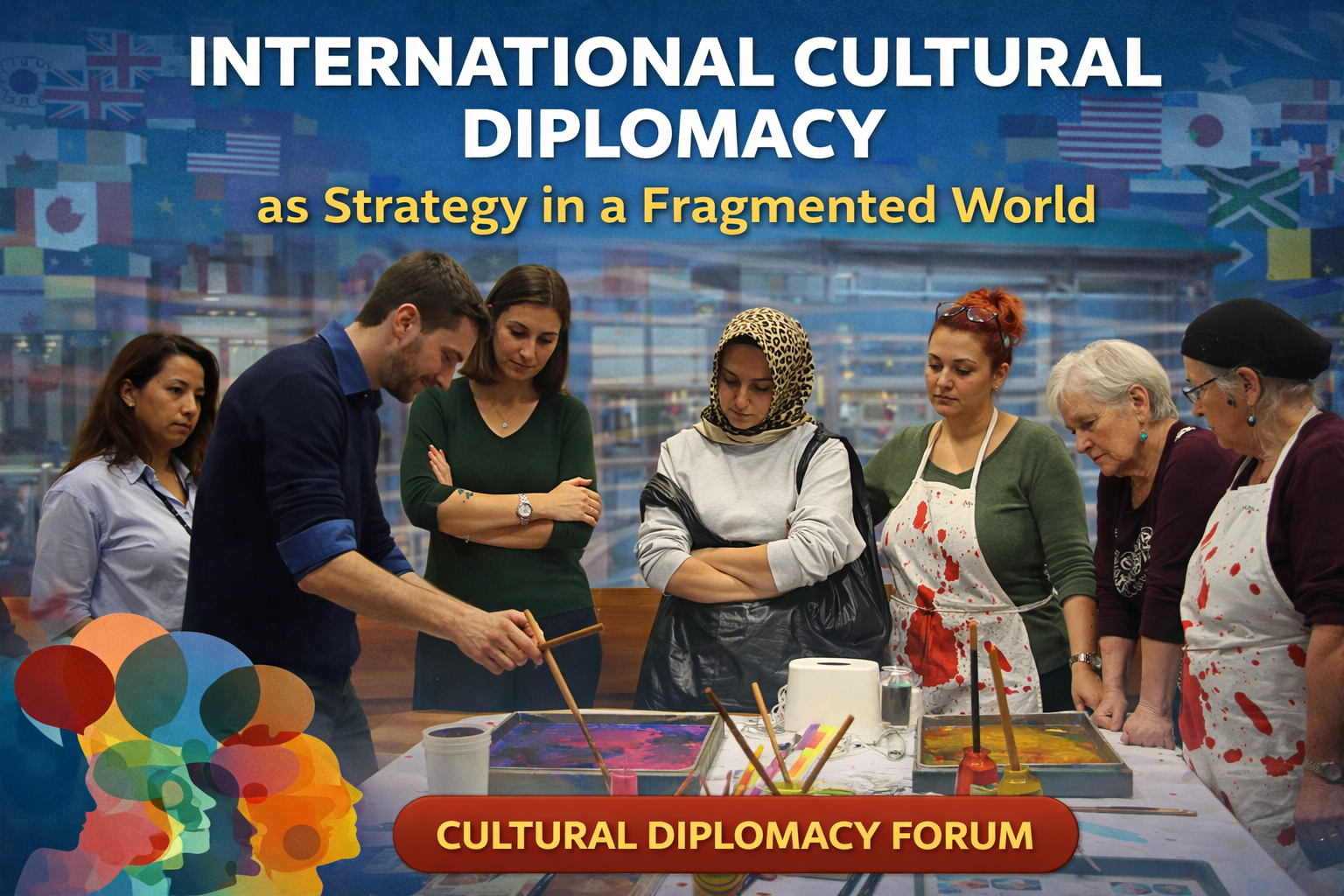
Every year, governments and institutions invest heavily in international cultural diplomacy, funding exchange programs, cultural festivals, and cross-border partnerships meant to build goodwill between nations. Yet many of these initiatives quietly underperform. The budgets are there. The intentions are good. What is often missing is something far less visible: cross-cultural leadership.
International cultural diplomacy is not just about staging events or signing memorandums. It depends on people who can navigate different worldviews, communication styles, and expectations without losing the substance of what they are trying to achieve. Without strong leadership, even the most well-funded cultural initiative can become a formality, missing its potential to build meaningful connections between nations.
It is easy to assume that cultural diplomacy succeeds simply by bringing people from different backgrounds into the same room. In practice, proximity does not guarantee understanding. A delegation visit, a joint exhibition, or a bilateral cultural agreement can look successful on paper while failing to build any real trust.
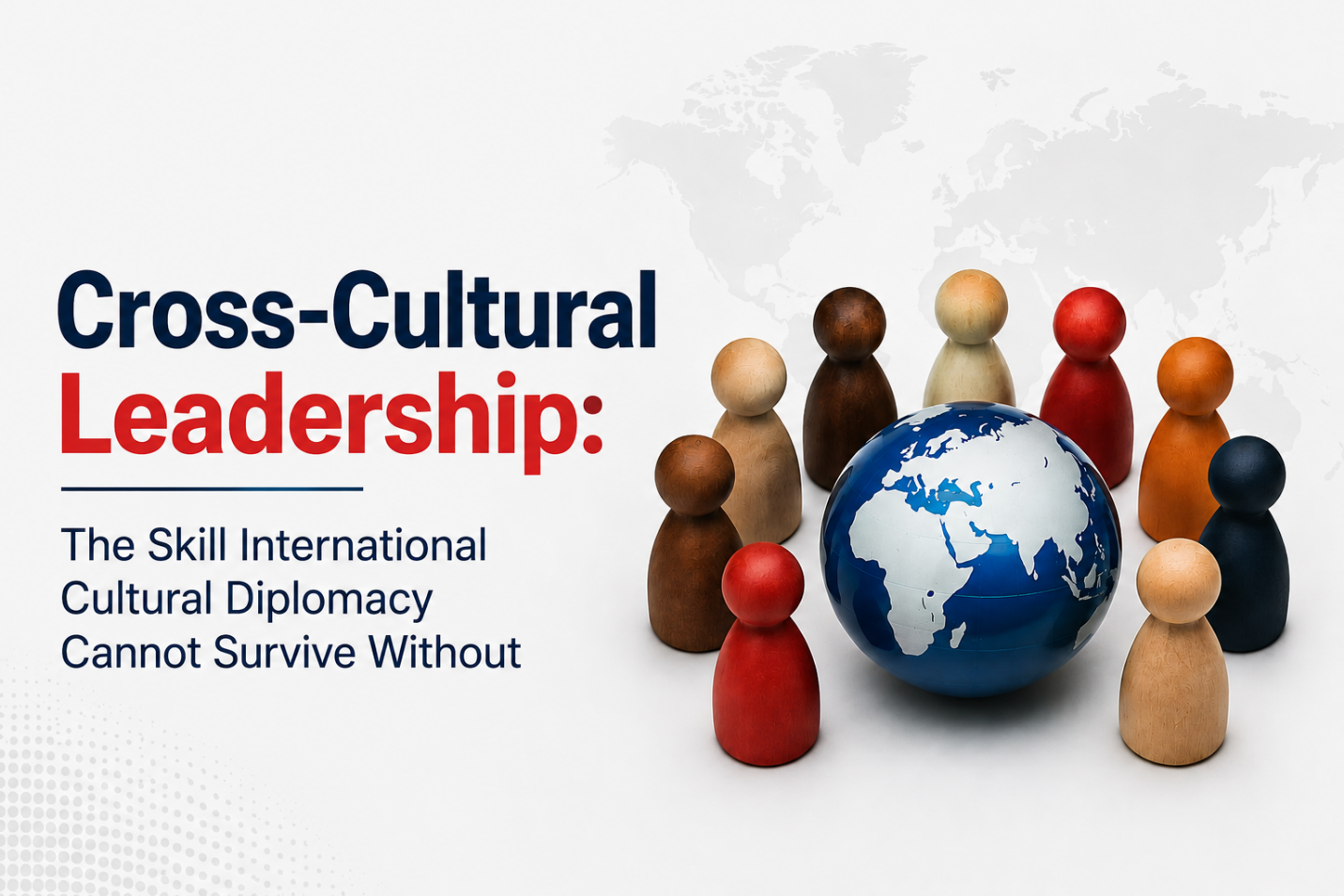
This is where cross-cultural leadership becomes essential. Leaders who understand how to read unspoken cues, adjust their communication without compromising their message, and manage disagreement respectfully are the ones who turn cultural diplomacy from a ceremonial gesture into a lasting relationship. They know when silence signals respect rather than disengagement. They understand that consensus building looks different across regions, and that pushing too hard for quick agreement can undo months of relationship building.
International cultural diplomacy, at its best, is slow work. It rewards patience, curiosity, and leaders who are comfortable operating outside their own cultural default settings.
Nowhere is this more visible than in the growing cultural and economic ties between Türkiye and the Gulf region. As trade corridors expand and institutional partnerships deepen, the people managing these relationships are not just negotiators. They are cultural translators, whether that is officially part of their title or not.
A leader operating across Ankara, Riyadh, and Abu Dhabi needs to understand more than protocol. They need to sense how hierarchy functions differently across these contexts, how business trust is built before contracts are discussed, and how public messaging needs to be shaped for audiences with very different historical relationships to the region's institutions. This is cross-cultural leadership in action, and it is quietly becoming one of the most valuable skills in regional diplomacy and trade.
Cross-cultural leadership is often misunderstood as simply being polite or accommodating. In reality, it is a more demanding skill set. It requires leaders to hold their own values and goals firmly while remaining genuinely open to different ways of achieving them.
Strong cross-cultural leaders tend to share a few traits. They ask more questions than they answer, especially early in a relationship. They pay attention to how decisions are actually made in a given culture, not just how they are made on paper. They are willing to slow down when a process feels rushed, recognizing that speed in one culture can read as disrespect in another.
These are not soft skills in the dismissive sense. They are strategic capabilities that determine whether international cultural diplomacy produces real outcomes or just good photographs.
As more countries recognize the economic and strategic value of cultural diplomacy, the demand for leaders who can operate across cultures is growing. Training programs, exchange fellowships, and institutional partnerships have started to treat cross-cultural leadership as a core competency rather than an afterthought.
This shift matters. Cultural diplomacy without skilled leadership tends to produce symbolic gestures with limited follow-through. Cultural diplomacy paired with strong cross-cultural leadership produces something more durable: trust that survives political shifts, economic downturns, and changes in leadership on either side.
For regions like the Gulf and Türkiye, where trade, tourism, and investment ties are deepening rapidly, this is not a theoretical concern. It is the difference between partnerships that last decades and ones that quietly fade once the initial enthusiasm wears off.